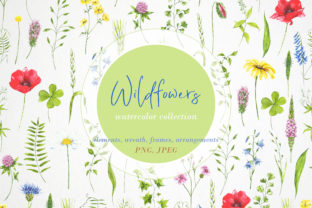
Watercolor Clipart Wildflowers, Illustrations
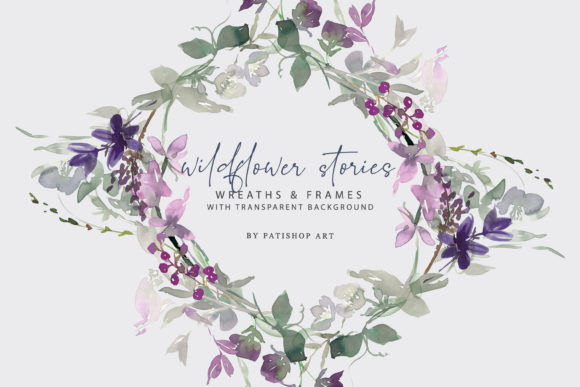
As a brand designer and content marketer, I’ve seen countless graphic design assets come and go. But Watercolor Clipart Wildflowers, Plants stands out for its soft, organic energy and versatility in creative projects. This illustration set offers a unique blend of handcrafted charm and professional polish that can elevate a wide range of marketing visuals.
The First Impression: A Gentle, Nature-Inspired Mood
Watercolor Clipart Wildflowers, Plants immediately evokes a sense of calm and natural beauty. The soft brushstrokes and muted tones create a relaxed, approachable vibe that works well for lifestyle brands, handmade products, and seasonal promotions. It’s not overly ornate, but it carries enough detail to feel authentic and engaging.
This visual tone is ideal for brands aiming to connect with audiences who value simplicity, authenticity, and nature-inspired aesthetics. Whether you're designing a digital ad or a social media post, the illustrations help set the right emotional tone without overwhelming the viewer.
Real-World Applications in Branding and Marketing
Watercolor Clipart Wildflowers, Plants excels in scenarios where a touch of creativity and warmth is needed. For example, a small business launching a new line of organic skincare products could use these illustrations to reinforce their eco-friendly and natural brand identity. The same asset could be used in packaging design, product labels, or even as a background in email banners.
In social media graphics, these illustrations add a personal, artistic flair that stands out in crowded feeds. They’re especially effective for Instagram posts, Pinterest pins, and Facebook ads where visual storytelling plays a key role. When paired with clean typography, they help create a strong visual hierarchy that guides the audience’s attention effectively.
Supporting Marketing Goals with Visual Consistency
One of the biggest challenges in branding is maintaining visual consistency across all platforms. Watercolor Clipart Wildflowers, Plants helps achieve this by offering a cohesive set of illustrations that can be reused across different marketing materials. Whether it's a Canva template, a blog header, or a digital ad, the asset maintains a unified look that strengthens brand recognition.
It also supports stronger audience trust. When a brand uses consistent, high-quality design elements, it signals professionalism and reliability. These illustrations contribute to that perception by adding a layer of quality and thoughtfulness to every visual piece.
Where It Shines: Creative Projects That Need a Personal Touch
Watercolor Clipart Wildflowers, Plants is particularly useful in projects that benefit from a warm, handmade aesthetic. Hero graphics, campaign headers, and product launch visuals are perfect for showcasing these illustrations. They also work well in branded templates, social media covers, and packaging accents where a subtle, elegant design is needed.
Content creators building a content kit or preparing a digital campaign will find these illustrations invaluable. They can be used in editorial layouts, promotional banners, and decorative brand elements that enhance the overall look of a project without overpowering the message.
When to Use It Carefully: Avoiding Overuse or Misplacement
While these illustrations are versatile, they may not fit every brand or campaign. In formal corporate branding, where minimalism and clarity are key, Watercolor Clipart Wildflowers, Plants might feel too busy or informal. Similarly, in dense information layouts or small mobile graphics, the details could become distracting or hard to read.
Brands that rely on a very clean, modern aesthetic may also find that the watercolor style clashes with their existing visual language. It’s important to test the illustrations in real campaign mockups and ensure they complement rather than compete with the main message.
Practical Design Notes for Brand Owners and Marketers
Before integrating Watercolor Clipart Wildflowers, Plants into your workflow, consider the following:
- Test it with your brand color palette: Ensure the colors harmonize with your existing brand scheme.
- Check black and white usage: Some illustrations may lose detail when converted to monochrome.
- Place it inside real campaign mockups: See how it looks in context, not just as a standalone image.
- Preview it on mobile screens: Make sure it remains legible and visually appealing on smaller devices.
- Test readability in small sizes: Some intricate details may not scale well for icons or buttons.
- Compare it against competitor visuals: Ensure it adds unique value to your brand’s visual identity.
- Check font pairings: See how it works with serif, sans serif, script, handwritten, and display fonts.
- Review spacing and balance: Avoid overcrowding or awkward alignment in your designs.
- Confirm commercial licensing: Make sure it’s suitable for paid campaigns, client work, or business branding.
Why This Asset Matters for Small Business Branding
For small businesses and indie brands, Watercolor Clipart Wildflowers, Plants offers an affordable way to elevate their marketing visuals. It’s a valuable addition to any design bundle, especially for those working in the creative marketplace. Whether you're creating a printable design, a digital product, or a social media graphic, this asset provides a professional yet approachable look that resonates with modern audiences.
As a content marketer, I’ve found that using such illustrations helps build emotional connections with the audience. They make the brand feel more human, relatable, and trustworthy—key factors in today’s competitive digital landscape.
Final Thoughts: A Strong Addition to Your Creative Toolkit
Watercolor Clipart Wildflowers, Plants is more than just a set of illustrations—it’s a flexible, emotionally resonant design asset that can support a wide range of marketing and branding needs. From packaging design to digital ads, it brings a touch of nature and artistry that enhances the overall visual appeal of any project.
By understanding its strengths and limitations, brand owners and designers can use it strategically to create memorable, professional, and engaging campaign visuals that stand out in a crowded market.