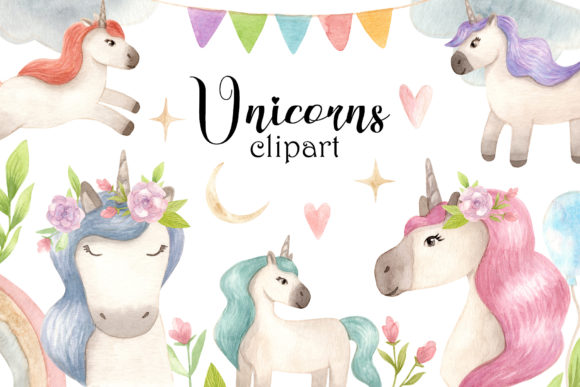
Rosehip. Watercolor Clipart
As an embroidery designer and product reviewer, I’ve seen countless designs come and go. But when I first laid eyes on Rosehip. Watercolor Clipart, I knew it had a unique charm that could elevate a wide range of projects. This design isn’t just another pretty image—it’s a thoughtful composition that invites creativity and practical application.
The First Impression: A Delicate Balance of Style and Simplicity
Rosehip. Watercolor Clipart immediately catches the eye with its soft, organic lines and gentle color palette. The watercolor aesthetic gives it a handcrafted feel, making it perfect for handmade products that aim to evoke warmth and nostalgia. The shapes are clean but not overly minimal, allowing for flexibility in how they’re used across different fabrics and garments.
The layout is well-structured, with enough detail to be visually engaging without becoming overwhelming. It’s clear this design was created with both aesthetics and usability in mind. Whether you’re working on a custom tote bag or a baby onesie, the composition feels balanced and adaptable.
Real-World Use: Where Rosehip. Watercolor Clipart Shines
I tested Rosehip. Watercolor Clipart on a variety of materials, from cotton t-shirts to linen tote bags, and it performed consistently well. The design works especially well on light-colored fabrics, where the subtle shading and texture of the watercolor really stand out. On darker backgrounds, it still holds up, but the contrast needs careful consideration to avoid looking washed out.
This design is ideal for custom apparel, such as sweatshirts and t-shirts, where a touch of elegance can make a big difference. It also fits naturally into baby items, like onesies and blankets, where softness and visual appeal are key. For small business owners, it’s a great fit for Etsy listings, craft fair booths, and boutique branding efforts.
One of the standout qualities of Rosehip. Watercolor Clipart is its versatility. It can be used as a standalone embroidered patch, a decorative accent on a pillow cover, or even as part of a larger embroidered scene. Its size and shape make it suitable for both large and medium hoop sizes, though it may require some adjustment for smaller hoops.
Where to Be Cautious: Limitations and Considerations
While Rosehip. Watercolor Clipart is a strong design, there are a few areas where caution is advised. On textured or stretchy fabrics, the details can sometimes become less defined, so it’s important to test the design on your intended material before committing to a full project.
For thin or dark fabrics, the stitch density might need to be adjusted to ensure visibility without compromising the fabric’s integrity. If you're planning to use this on a layered garment or a curved surface like a cap, you’ll want to double-check how the design translates in those contexts.
Small details, such as intricate corners or tiny lettering, may not hold up as well in dense stitch areas. It’s best to review the design closely and consider simplifying or adjusting elements if necessary.
Impact on Visual Appeal and Customer Perception
When it comes to visual appeal, Rosehip. Watercolor Clipart brings a sense of sophistication that can elevate any finished product. Its soft, artistic look makes it ideal for personalized gifts and handmade items that customers will cherish. It adds value by offering a unique, high-quality look that stands out in a crowded market.
From a customer perspective, this design feels authentic and well-crafted. It can help build trust in your brand, especially if you’re targeting buyers who appreciate artisanal and handmade quality. The design also enhances giftability, as it’s visually appealing and emotionally resonant—perfect for holiday gifts, wedding favors, or nursery decor.
Practical Designer Notes: What to Check Before Using
Before using Rosehip. Watercolor Clipart in your projects, here are a few key steps to take:
- Test on scrap fabric: Always try the design on your intended material to see how it looks and stitches.
- Check thread color contrast: Ensure the thread colors work well with your fabric and enhance the design’s mood.
- Review stitch density: Adjust as needed to maintain clarity without overworking the fabric.
- Confirm hoop size: Make sure the design fits within your machine’s hoop dimensions.
- Inspect small details: Look closely at corners, edges, and fine lines to ensure they translate well in embroidery.
- Test in black and white mockups: This helps assess how the design looks without color distractions.
- Compare with light and dark backgrounds: See how the design performs in different lighting conditions and fabric colors.
- Use proper stabilizer: Stabilizer is crucial for maintaining the design’s shape and preventing puckering.
- Check licensing: Confirm whether the design is suitable for commercial use and if any restrictions apply.
Final Thoughts: A Design That Speaks Volumes
Rosehip. Watercolor Clipart is more than just a pretty image—it’s a thoughtful, versatile design that can enhance a wide range of embroidery projects. Whether you’re an Etsy seller, a craft business owner, or a hobbyist, this clipart offers a blend of style and functionality that’s hard to beat.
Its soft, watercolor aesthetic makes it ideal for handmade products that aim to create emotional connections. With a little care and testing, it can become a staple in your design library, helping you create beautiful, professional-looking items that your customers will love.
As with any embroidery file, the key to success lies in understanding its strengths and limitations. Rosehip. Watercolor Clipart is a great choice for those looking to add a touch of artistry to their work, but it’s up to you to bring it to life in the best possible way.